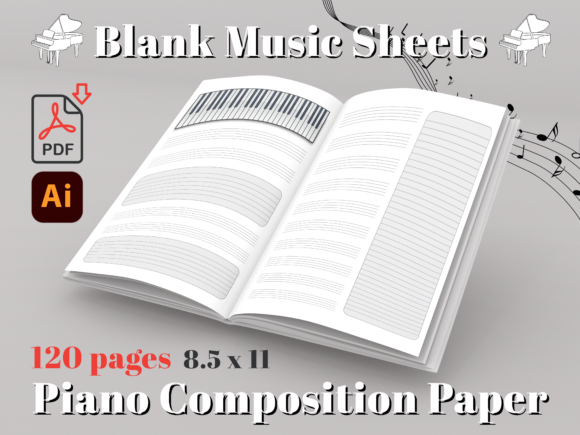
The Ultimate Piano Practice Journal: Music Paper with Annotations
For any pianist, from a beginner tentatively finding their first chords to a professional refining a complex concerto, the practice session is the crucible of progress. Yet, so much of that critical work—the insights, the corrections, the flashes of inspiration—often vanishes into the air after the keys are released. This is where a dedicated tool transforms routine into results. Music Paper for Piano with Annotations is not just blank sheet music; it is a structured workspace designed to capture the thinking behind the playing.
Beyond Blank Pages: What Makes Annotated Music Paper Essential
Traditional music manuscript paper provides the staff lines, but the margins are typically silent. Annotated music paper adds a crucial framework: clear, designated spaces around the staves for notes, reminders, and observations. This simple addition changes everything. It encourages the habit of active analysis during practice. Instead of merely repeating a passage, you can jot down "dynamics uneven here," "focus on fingering in measure 12," or "memorization goal for this section." This turns practice from a repetitive activity into a targeted, strategic session.
The physical act of writing solidifies learning. For a student, annotations can be a teacher's written feedback during a lesson. For a self-taught adult, they become a personal guidebook. For a professional or teacher, they serve as meticulous rehearsal notes for themselves or their students. The annotations space creates a permanent record of your musical journey, allowing you to track progress over weeks and months, revisiting old challenges and celebrating mastered techniques.
Creative Applications and Practical Project Ideas
The utility of this specialized music notebook extends far beyond daily scales. Its structure unlocks numerous creative and organizational projects.
Building a Personal Technique Handbook
Don't let valuable exercises disappear. Use the notebook to compile your favorite technical drills—arpeggios, chord progressions, sight-reading exercises—and annotate them with tempo goals, difficulty ratings, and personal tips. Over time, you create a bespoke technique manual tailored precisely to your development needs.
The Composer’s Sketchpad and Arranger’s Workshop
For those creating music, the annotated margins are ideal for sketching harmonic ideas, lyric snippets, or alternative arrangements next to the main staff. You can draft a melody line and immediately note possible bass accompaniments or rhythmic variations alongside it. It bridges the gap between initial inspiration and structured composition.
Lesson Planning and Student Progress Tracking for Teachers
Educators can use one journal per student or a master journal for lesson planning. Annotate the pieces you assign with weekly goals, common error alerts, and positive reinforcement notes. This ensures continuity between lessons and provides a clear progress record to share with students or parents, enhancing accountability and motivation.
Deep Practice Analysis for Advanced Players
Advanced pianists can engage in deep score study. Use the annotations to mark structural analysis (phrase boundaries, harmonic changes), historical context, or interpretive comparisons. Write down questions to research or insights from master recordings. This turns practice into a rich, scholarly exploration of the piece.
Adapting the Tool for Every User’s Unique Goals
The flexibility of Music Paper with Annotations means it molds to the user's intent, not the other way around.
- The Busy Adult Beginner: Focus annotations on weekly "micro-goals." One measure mastered, one new chord understood. This builds confidence and prevents overwhelm. The journal becomes a log of small, consistent victories.
- The Serious Student: Integrate it with lesson assignments. Clearly note teacher feedback, practice deadlines, and self-assessment. Use it to prepare questions for the next lesson, making your learning more proactive.
- The Professional Performer: Employ it for rehearsal notes. Mark conductor's requests, ensemble coordination points, and personal stamina notes for longer works. It's an essential backstage tool for pre-performance polish.
- The Songwriting Hobbyist: Use the staves for chord charts and melody, and the annotations for lyric ideas, song themes, or instrumentation thoughts. It keeps the entire song concept in one cohesive place.
Keeping Your Practice Journal Effective and Organized
To maximize its benefit, adopt a few simple organizational habits. Date every entry. This creates a timeline of your effort. Use consistent symbols: perhaps a circle for dynamics, a star for sections to memorize, an underline for tricky fingering. Consider color-coding with highlighters for different themes (technique yellow, expression blue). Most importantly, review previous annotations before starting a new practice session. This connects your work across time, reinforcing learning and ensuring you address past notes.
A Ready-to-Publish Asset for Creative Entrepreneurs
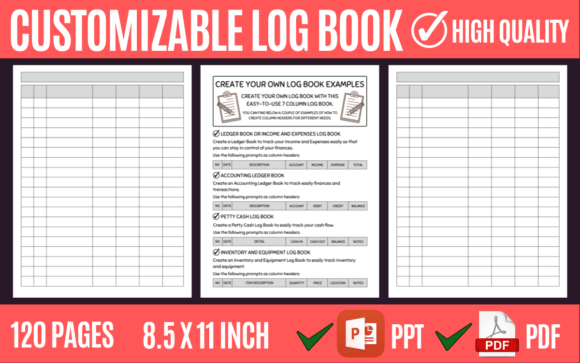
For the creators, designers, and entrepreneurs in the print-on-demand space, this product represents a clear market need met with professional execution. The provided files—high-quality 300 DPI PDFs, AI source files, and a formatted KDP cover template for a 120-page, 8.5x11 book—are engineered for success. They are "bleed" ready, meaning full-background designs print cleanly without unwanted borders, a crucial specification for print quality.
This package allows you to upload and sell a finished, professional product immediately on platforms like Amazon KDP, Etsy, or your own website. You can market it not just as paper, but as a practice system, a learning companion, or a creative logbook. Target piano teachers, music schools, adult learner communities, and composer forums. The product speaks to a specific, engaged audience looking for tools to structure their passion.
The ultimate value of this Music Notebook with Annotations for Piano Practice lies in its duality: it is both a blank canvas for creativity and a disciplined framework for growth. It meets the pianist where they are—whether that's at the very first note or preparing for a major performance—and provides the space to think, plan, and evolve. In the deliberate act of writing beside the music, we give our practice a voice, and in doing so, we give our progress a permanent record.