The Food Review Journal: A Tool for Discerning Culinary Explorers
For food enthusiasts, the act of dining out transcends simple consumption. It becomes an experience, an adventure, and often, an exercise in critical appreciation. Whether you are a tourist seeking authentic local flavors or a resident exploring your city's evolving restaurant scene, the desire to document and evaluate these encounters is a common thread. While countless apps and digital platforms offer quick rating systems, they often lack depth, personalization, and the tactile satisfaction of a curated record. This is where a dedicated tool like the Food Review Journal 2 Covers, Keywords enters the picture, offering a structured yet flexible analog system for serious gastronomic documentation.
Defining the Purpose and Format
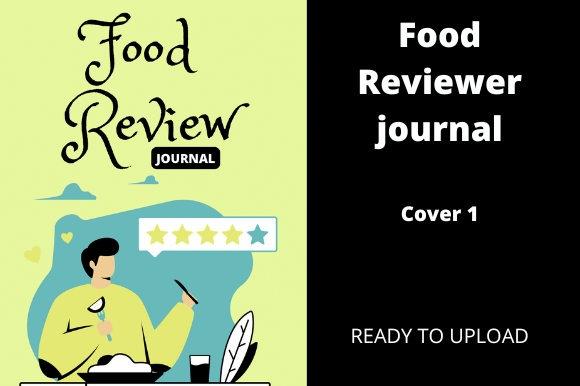
At its core, the Food Review Journal 2 Covers, Keywords is a print-ready digital asset designed for self-publishing via Amazon's Kindle Direct Publishing platform. It consists of three primary components: a 100-page, 6x9 inch interior PDF formatted for no-bleed printing; two distinct PDF cover designs offering choice; and a complementary TXT file listing eight relevant keywords for KDP listing optimization. The product is not a physical book itself, but the complete digital blueprint to create one. Its purpose is unambiguous: to provide a dedicated, physical notebook specifically formatted for reviewing restaurant dishes. This moves the activity from ephemeral digital notes or scattered memories into a consistent, tangible archive.
Key Characteristics and Practical Value
The journal’s interior is its most critical element. The 100-page count offers substantial space for numerous reviews without being unwieldy. The 6x9 inch size is a standard and portable dimension, comfortable for carrying in a bag to a restaurant or keeping on a shelf at home. The "no-bleed" specification means all content is safely within the printable area, a crucial technical detail for ensuring a professional final product with no risk of cut-off text or borders. The inclusion of two cover designs provides immediate creative flexibility, allowing the user or publisher to select a aesthetic that best suits their vision or target audience.
The practical value lies in the structure it imposes. A blank notebook invites any kind of note; a specifically designed food review journal guides the user towards systematic evaluation. While the exact interior layout is not described, one can infer it prompts for essential data points: restaurant name, location, date, dish name, price, ratings across categories like flavor, presentation, and value, and space for descriptive notes. This structured approach transforms casual opinion into a comparable, analyzable body of work. Over time, this journal becomes not just a log, but a personal database of culinary preferences and discoveries.
Evaluating Strengths and Usability
The primary strength of the Food Review Journal 2 Covers, Keywords is its focus and completeness. It solves a specific problem for a niche audience by providing a ready-made solution, eliminating the need to design a layout from scratch. For the entrepreneur or hobbyist looking to publish a themed journal, this represents significant saved time and effort. The dual covers are a notable advantage, offering a simple way to create product variations or test different market appeals.
Usability for the end-user—the foodie who purchases the printed journal—is high. A physical journal requires no battery, suffers no notification distractions, and offers a sensory experience that digital tools cannot. The act of writing can encourage more thoughtful reflection than hurriedly tapping a star rating on a phone. Furthermore, its longevity is guaranteed; it will not be rendered obsolete by a software update. The journal's effectiveness is directly tied to the consistency of the user’s engagement. Its value compounds with each entry, creating a resource that can inform future dining choices, inspire culinary writing, or simply serve as a cherished memoir of tastes and journeys.
Considerations for Real-World Performance
In real-world use, the journal’s performance depends on its integration into the user’s routine. The most successful adopters will likely be those who already possess the habit of noting their culinary experiences but seek a more organized method. The journal also serves groups: a couple documenting their food adventures together, or a club of foodies sharing impressions. A potential limitation is its static nature. Unlike a digital app, it cannot offer reminders, aggregate statistics, or search functions across entries. This trade-off is inherent: the journal offers permanence, privacy, and a focused experience, but lacks the computational utility of software.
For the publisher using these files on KDP, the provided keywords are a pragmatic inclusion. They serve as a foundational SEO tool for the book listing, helping it reach its intended audience of "food adventure reviews" seekers. However, the publisher’s own market research and keyword optimization will still be necessary for best results. The product's reliability and quality are contingent on proper use of the PDFs within KDP's guidelines and the selection of a quality print provider.
Identifying the Primary Beneficiaries
This product caters to two distinct but interconnected user groups.
- Content Creators and Self-Publishers: Bloggers focusing on food tourism, culinary educators creating companion materials, or small business owners looking to expand their product line with a themed notebook. The Food Review Journal 2 Covers, Keywords provides them with a ready-to-market asset, reducing production hurdles.
- Serious Culinary Hobbyists and Professionals: Avid foodies, travel enthusiasts who prioritize culinary exploration, and even culinary students or aspiring critics. For them, the printed journal becomes a professional tool for honing their evaluative skills and building a reference archive. It is particularly suited to situations where deep, reflective review is valued over instant, public sharing.
It is less suited for those seeking a quick, social, or data-analytic tool. The individual who wants to immediately post a photo with a five-star rating to a social platform will find the journal’s value proposition different. This tool is for the contemplative, the archivalist, and the systematic enthusiast.
Final Observations on Long-Term Fit
The Food Review Journal 2 Covers, Keywords is a specialized resource that excels in its defined niche. Its long-term value for a publisher is as a time-saving, quality foundational product for a specific market. For the end-user, its long-term value is as an accumulating personal artifact, its worth increasing with each filled page.
When considering if this fits your needs, assess your goals. If you are publishing, do you have an audience interested in food, travel, or journaling? This product can be an efficient entry point. If you are a consumer, do you value the tactile process of writing and retaining a private, physical record of your experiences? If so, this journal format offers a disciplined and satisfying alternative to the digital noise. It is a tool for intentionality in culinary exploration, turning a fleeting pleasure into a documented journey.