Your Ultimate Adress Logbook: The Unsung Hero of Modern Organization
In the perpetual swirl of digital data, from sprawling contact lists in smartphones to ever-expanding professional networks on LinkedIn, a quiet tool maintains its essential relevance: the physical address book. Not merely a relic of a pre-digital age, today's Adress Logbook serves as a curated sanctuary for the most important connections, a tactile organizer that complements our online lives. For creators and entrepreneurs looking to tap into the burgeoning self-publishing market, a professionally designed address logbook interior presents a unique opportunity to offer a product that bridges the gap between analog utility and digital efficiency.
The Resurgence of Tactical Tools in a Digital World
Our workflows have become overwhelmingly virtual, yet a palpable shift is occurring. Professionals, marketers, and freelancers increasingly recognize the cognitive and practical benefits of selective offline systems. A digital contact list can hold thousands of entries, but it lacks the focus and intentionality of a handwritten log. An address log book interior designed for clarity and ease of use becomes a dedicated space for VIP contacts, key clients, family members, or essential service providers—information you need at a glance, without scrolling through a screen. This isn't about rejecting technology; it's about creating a complementary system that reduces digital noise and enhances reliability.
Furthermore, the act of writing fosters a different kind of memory and connection. Educators, business owners, and hobbyists often find that a physical log encourages more thoughtful engagement with their network. It becomes a living document of relationships rather than a passive database. This trend towards hybrid organization—mixing digital and analog tools for optimal results—is driving renewed interest in well-designed physical products like address books.
The KDP Opportunity: No Content Publishing Meets Specific Needs
Amazon's Kindle Direct Publishing (KDP) platform has democratized publishing, opening doors for creators who may not be writers but are designers, problem-solvers, or organizers. The category of no content or low content KDP interior books thrives on fulfilling specific, practical needs. An address logbook is a quintessential example. It provides a structured framework—the "content"—while leaving the personalization to the user. This model perfectly aligns with market preferences for customizable, utilitarian products. The audience isn't looking for a novel; they're seeking a tool that solves an everyday organizational challenge.
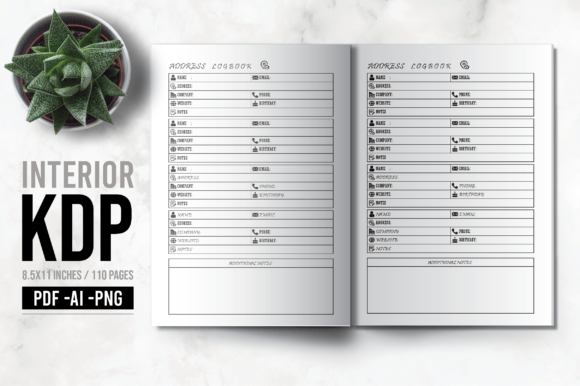
For the creator, this means focusing on design, functionality, and production quality. A successful KDP address logbook isn't just a collection of blank lines; it's a thoughtfully crafted interior with sections for names, addresses, phone numbers, emails, and perhaps notes or special dates. The layout must be intuitive, the spacing generous, and the overall aesthetic pleasing to encourage daily use. By addressing these user expectations directly through design, you create a product with clear practical implications: reducing clutter, saving time, and preserving important information in a dependable format.
From Concept to Ready-to-Upload Product
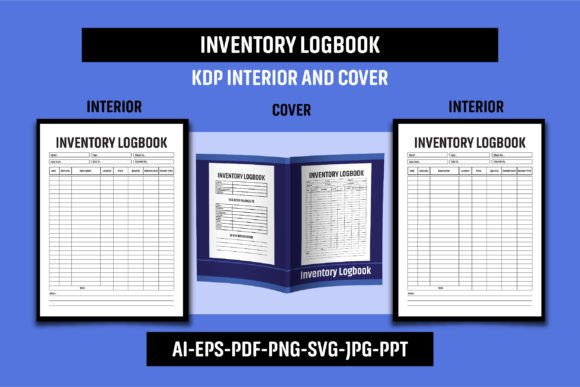
Turning the concept of an address logbook into a market-ready KDP product requires attention to technical specifics that users often overlook but creators must master. A professional package includes multiple file formats to cover different stages of creation and assurance.
- Editable address book for KDP interior AI file: This is the gold standard for creators. An Adobe Illustrator file allows for complete customization of every element—fonts, layout, graphics, and section headings. It provides the foundation for adapting the design to different niches or personal branding.
- KDP Tested PDF Files: This is the crucial upload-ready file. "KDP tested" means it has been validated to meet Amazon's strict formatting requirements for trim size, margins, and bleed. A flawless PDF ensures your book prints correctly every time, avoiding customer complaints and returns.
- PNG File & CMYK Color 300 DPI: High-resolution PNG files, saved in the CMYK color profile, are essential for marketing. They ensure your cover and sample interior pages look vibrant and professional in Amazon's storefront and on social media, where marketers and bloggers will promote them.
The specifications like a Trim Size of 8.5x11 Inches and 110 Pages are not arbitrary. The 8.5x11 size is a standard, familiar format that feels substantial and offers ample writing space. The page count provides plenty of room for entries without making the book unwieldy. Together, these details signal a quality product that is a book ready to be uploaded to KDP, removing the technical guesswork for the publisher and ensuring a consistent experience for the end buyer.
Crafting an Adress Logbook for Modern Lifestyles
To resonate with adults across professions, the design must reflect contemporary lifestyles. This means considering evolving habits. Perhaps include a section for social media handles alongside physical addresses. Maybe design pages to accommodate both personal and business contacts, recognizing that for entrepreneurs and freelancers, these networks often intertwine. Observing how people manage information today leads to practical recommendations for the interior layout: clear headings, logical grouping, and perhaps even prompts for updating information annually.
The beauty of a no-content book is its adaptability. A well-designed editable address book for KDP interior AI file empowers the creator to tailor these observations into the final product. You can create versions geared towards wedding planners, real estate agents, network marketers, or simple family use. The core utility remains, but the subtle customization makes it feel purpose-built for the buyer's specific world.
Why Quality Production Files Matter
The emphasis on CMYK color and 300 DPI resolution speaks directly to professional standards. In the world of print, color representation is critical. CMYK (cyan, magenta, yellow, black) is the color profile used by commercial printers, unlike the RGB profile used for screens. Providing files in CMYK ensures the colors you design are the colors that print, avoiding dull or unexpected results. Similarly, 300 DPI (dots per inch) is the resolution needed for sharp, clean text and graphics in a printed book. These technical details are the bedrock of a product that looks and feels premium, meeting the expectations of discerning customers who value quality in their organizational tools.
The Simple Power of a Reliable System
Ultimately, the appeal of an Adress Logbook lies in its simplicity and reliability. In an age of software updates, platform changes, and data migration hassles, a physical book offers permanence. It doesn't require a subscription, won't suffer a data breach, and is always accessible. For the creative professional selling on KDP, it represents a clear-value proposition: you are providing a timeless tool, optimized with modern design principles and production-ready for a global marketplace. By focusing on the genuine need for curated, offline organization and marrying it with impeccable technical execution, you create a product that is both helpful and commercially viable—a perfect alignment of user need and creator opportunity.