Inventory Logbook KDP Interior Cover: Your Blueprint for Amazon Publishing Success
Navigating the world of Amazon Kindle Direct Publishing (KDP) offers a remarkable opportunity for creators and entrepreneurs to build passive income streams. Yet, the technical hurdle of designing a professional, print-ready paperback can stall many promising ventures. This is where a purpose-built tool like the Inventory Logbook KDP Interior Cover and Interior transforms the landscape. It is not merely a template; it is a complete, pre-formatted production file designed to eliminate the design and technical barriers to publishing, allowing you to focus on content, marketing, and business growth.
Where This Tool Fits in Your Publishing Workflow
Successful KDP publishing is a multi-stage process: conceptualization, content creation, design, formatting, upload, and marketing. The design and formatting phase—specifically creating a print-ready interior and a correctly sized cover with bleed—is a critical bottleneck. It requires precise knowledge of KDP’s technical specifications, software proficiency in programs like Adobe Illustrator, and an eye for professional layout. The Inventory Logbook package addresses this phase directly. By providing a 100% formatted and tested interior and cover, it acts as a plug-and-play solution, slotting seamlessly into your workflow after your logbook content is finalized and before you upload to the KDP platform.
This integration effectively decouples the creative act of writing your inventory tracker from the technical act of preparing it for commercial print. You transition from being a designer-forcer to a publisher-executor. The provided files are the bridge between your raw manuscript—a useful tool for tracking finances, stock, or transactions—and a polished, saleable product on the Amazon marketplace.
A Deep Dive into the Provided Assets and Their Practical Use
The value of this package lies in its comprehensive asset library, each file serving a distinct practical purpose in the implementation process. Understanding each component clarifies how to use them efficiently.
Core Files for Editing and Flexibility
The AI (Adobe Illustrator) and EPS files are the foundational assets for users with access to professional design software. These vector-based files offer complete editability. You can change fonts, adjust layout elements, modify the header and footer, or reposition page numbers without degrading quality. This is crucial for branding; you can ensure your published logbook aligns with your other products or business aesthetic. The CS6 version specification ensures broad compatibility, even with older versions of Illustrator, reducing software-based friction.
Ready-to-Use Files for Quick Deployment
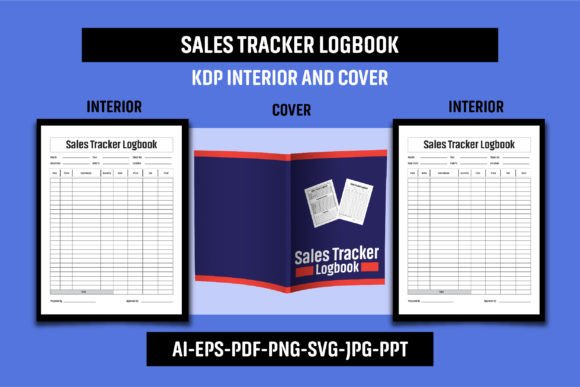
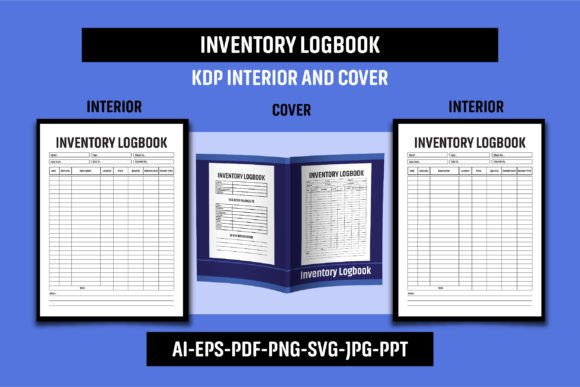
For creators who prefer a no-edit, fast-publish route, the PDF files are print-ready. The interior PDF, sized at 8.625 x 11.25 inches with bleed, and the cover PDF, with an overall dimension of 17.52 x 11.25 inches, can be uploaded directly to KDP after you simply add your title and author name to the cover template. This is the fastest path to market. The PPT (PowerPoint) file for the interior offers a unique advantage: it allows for minor textual adjustments using a universally accessible program, perfect for last-minute tweaks without specialized software.
Marketing and Preview Assets
The JPG and PNG files serve essential roles outside the KDP upload process. High-resolution 300 DPI images of the interior pages and cover are perfect for creating marketing materials. Use them in social media posts, on your author website, or in Amazon A+ content to showcase the clean, professional interior of your logbook. The SVG files provide scalable vector graphics for web use, ensuring your previews look sharp on any device. These assets integrate your publishing workflow with your marketing workflow, ensuring consistency across platforms.
Implementing the Template: From Download to Live Product
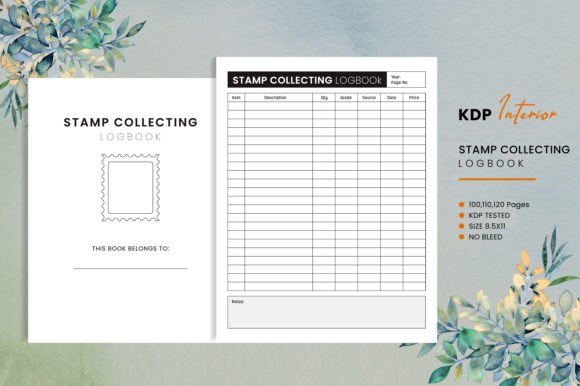
The practical execution involves a clear, linear process. First, download and inspect the files. Familiarize yourself with the 120-page interior layout. The black and white, double-sided design is cost-effective for printing and offers a clean, functional aesthetic for a logbook. Notice the structured sections—likely including numbered pages, categorized entry columns for date, item, quantity, and value—which provide the skeleton for an effective inventory or expense tracker.
Your next decision point is the edit-versus-direct-upload path. If you possess design skills and wish to customize, open the AI or EPS file in Illustrator. Make your modifications, ensuring you keep all critical elements like bleed margins intact. Then, export your new print-ready PDFs. If customization is not a priority, proceed directly to the provided PDFs. For the cover, use the left-to-right template. In either scenario, you then log into your KDP dashboard, create a new paperback project, and upload the interior and cover PDFs. KDP’s previewer will show you a digital mockup. Because the files are pre-tested for KDP compatibility, this step should be smooth, with no warnings about bleed, trim, or size issues.
Integration with Business Operations and User Goals
This tool’s utility extends beyond the publishing act. The resulting physical logbook you publish is designed for real-world application. It fits into the operational workflows of your target audience: small business owners tracking stock, freelancers monitoring project expenses, or individuals managing household budgets. The 8.5 x11 inch size is a practical choice, easy to carry to a warehouse, storefront, or home office. By publishing this, you are providing a tangible tool that integrates into their daily process of recording and analysis, helping them move from disorganized tracking to systematic data collection.
Factors Ensuring Quality and Long-Term Viability
The design choices embedded in the template speak to long-term usability and professional quality. The 300 DPI resolution for all graphics ensures that even fine lines and text appear crisp in the final printed book, a key factor in customer satisfaction and perceived value. The use of a standard US letter size with correct bleed margins guarantees physical consistency—every copy printed through KDP will look identical, building trust in your brand as a publisher. The inclusion of multiple file formats (AI, EPS, PDF, PPT, JPG, PNG, SVG) future-proofs your investment; as software ecosystems evolve, you have a versatile asset pack that can be adapted.
For the publisher, this approach promotes efficiency and consistency. You can use the same foundational template to create a series of logbooks—for inventory, expenses, mileage, or appointments—maintaining a cohesive look across your KDP catalog. This builds brand recognition and reduces the design overhead for each new title, allowing you to scale your publishing business methodically.
From Template to Tangible Outcomes
Ultimately, the Inventory Logbook KDP Interior Cover package is a process accelerator. It takes a complex, technical stage of the publishing workflow and simplifies it into a manageable, predictable task. By removing the uncertainty of formatting and design compliance, it empowers you to allocate more time and resources to the strategic aspects of your business: identifying market niches for your logbooks, optimizing your Amazon listings with strong keywords, and building a portfolio of useful publications. The tool interacts seamlessly with the KDP platform’s requirements, with your potential customers’ practical needs, and with your own goals as an entrepreneur. It turns the aspiration of publishing into a repeatable, efficient execution plan, putting a professional, functional product on the market with confidence and speed.