Mastering the Activity Interior Sudoku Puzzle: Your Guide to Publishing Success
In the vast landscape of Amazon's Kindle Direct Publishing (KDP) platform, entrepreneurs and content creators are constantly seeking niches that offer both demand and opportunity. One such standout category is puzzle books, where a classic brain game reigns supreme: Sudoku. Yet, simply having puzzles is not enough for commercial success. The concept of an Activity Interior Sudoku Puzzle book represents a complete, professional, and optimized product ready for market. This article will deconstruct this topic from the ground up, exploring its purpose, significance, and immense practical relevance for anyone looking to build a thriving KDP business.
The Core of the KDP Sudoku Puzzle Book
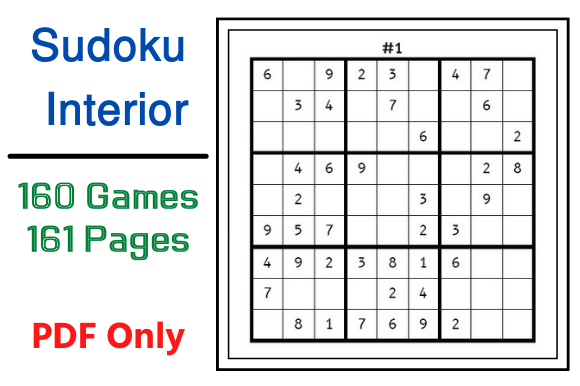
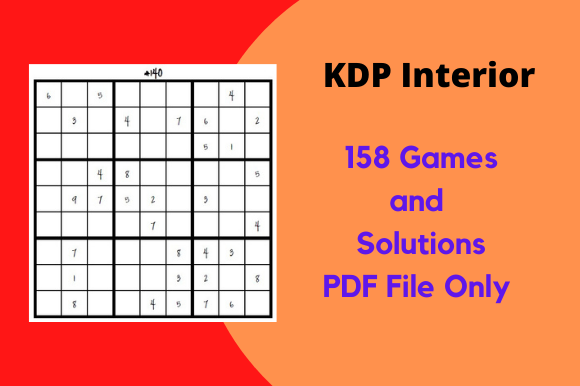
At its heart, a KDP Sudoku puzzle book is a physical or digital product designed to provide entertainment and mental stimulation. Sudoku puzzles are universally recognized logic games where a player fills a 9x9 grid so that each column, row, and each of the nine 3x3 sub-grids contains all digits from 1 to 9. Their appeal is broad, spanning ages and cultures, making them a perennial favorite. However, the modern publishing landscape, especially through print-on-demand services like KDP, requires more than just a collection of puzzles. It demands a professionally formatted activity interior—the complete layout and design of every page inside the book—that meets specific technical standards and user expectations.
The purpose of creating a ready-to-upload Sudoku interior is twofold: to provide a high-quality product for end-users who enjoy solving puzzles, and to create a streamlined, efficient business asset for the publisher. This dual significance is key. For the reader, it means a book that is clear, enjoyable, and free of errors. For the publisher, it means a product that is high demand, low competition, with most of the complex design and preparation work already completed, allowing for rapid deployment and scaling.
The Specifications That Matter: A Blueprint for Quality
Understanding the specifications is crucial to appreciating the value of a pre-formatted interior. Let's explore the typical blueprint for a successful product:
- Dimensions: A 5" x 8" paperback format is a popular and economical choice on KDP, offering a comfortable handheld size.
- File Type: A print-ready PDF file is the universal standard KDP requires for upload.
- Bleed: A bleed setting ensures that any background design or borders extend past the cut edge, preventing unwanted white margins after printing.
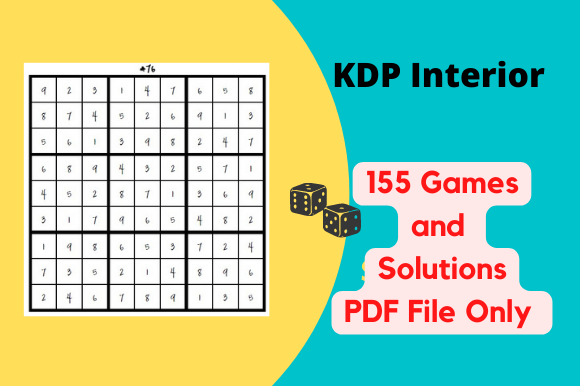
- Puzzle & Page Count: A robust offering like 152 unique puzzles, presented with 2 games per page for efficiency, provides substantial value. Including 1 answer per page for the solutions section adds convenience.
- Total Pages: A 159-page count indicates a substantial book, a positive factor for perceived value in the marketplace.
- Content Integrity: The assurance that all content is newly generated with no duplicates is vital for copyright compliance and customer satisfaction, ensuring every puzzle is fresh.
These specifications are not arbitrary; they are the result of understanding Amazon's printing requirements and customer buying habits. A book that meets these specs is, as described, ready for printing immediately upon upload, eliminating weeks of design labor.
The Practical Relevance: From Personal Enjoyment to Business Venture
How does this fit into modern life? On a personal level, Sudoku books are tools for cognitive exercise, relaxation, and focus. They are used during travel, in waiting rooms, as a morning ritual, or as a shared family activity. The availability of professionally made books enhances this daily experience.
For the entrepreneur or side-hustler, this topic fits directly into the world of modern micro-businesses and digital entrepreneurship. KDP allows individuals to become publishers without inventory, upfront printing costs, or complex distribution deals. A ready-made Sudoku interior transforms a complex creative project into a manageable business task. One can focus on marketing, branding, and creating a series of books rather than wrestling with graphic design software and page layout puzzles. This is a prime example of leveraging technology to democratize publishing and product creation.
Clarifying Common Misunderstandings
A common assumption is that creating a KDP book is primarily about writing. In the puzzle book niche, it's overwhelmingly about formatting and design. Another misunderstanding is that all Sudoku puzzles are the same. A product that offers newly generated, non-duplicate content is significantly more valuable and avoids potential issues with content originality. Furthermore, some beginners believe uploading any PDF will suffice. Without proper bleed settings, correct dimensions, and clean page breaks, a book can be rejected or print poorly, leading to negative reviews. A pre-formatted interior specifically designed for KDP mitigates all these risks.
The SEO and E-E-A-T Perspective: Building Trust Through Content
From an online visibility standpoint, articles and product listings that explain these concepts clearly align with SEO best practices and Google's E-E-A-T (Experience, Expertise, Authoritativeness, Trustworthiness) principles. By providing informative content that helps a reader understand what makes a KDP Sudoku book ready for market, you demonstrate expertise. Discussing the specifications, the business rationale, and the user benefits builds authority and trust. This content serves a clear informational search intent—someone is searching to learn how to publish a Sudoku book on KDP, what specifications are needed, or why pre-made interiors are advantageous.
Natural semantic keywords like "KDP Sudoku puzzle book," "activity interior," "ready to upload," "5x8 PDF," and "high demand low competition" should be integrated contextually, as they have been here, to help connect this educational content with the practical queries of the target audience.
Examples in Context: Seeing the Finished Product
Imagine a potential publisher, Sarah. She loves Sudoku and sees the potential on Amazon. Option A: She attempts to design her own book, spending hours learning software, arranging 152 puzzles and answers, battling with page numbers and bleed, only to have her first upload rejected for formatting errors. Option B: She utilizes a pre-formatted, tested 152 Sudoku interior with solutions. She adds a custom cover design, writes a compelling book description, and uploads the PDF. Within days, her book is live for sale. The second example, enabled by the concept of a ready-made activity interior, naturally reduces friction and increases the likelihood of success.
Building a Broader Understanding: The KDP Ecosystem
To fully grasp this topic, one should see it as a component within the larger KDP and creative business ecosystem. It touches on graphic design (through the interior layout), content generation (through puzzle creation algorithms), print-on-demand technology, and e-commerce marketing. It exemplifies a trend towards modular, ready-to-use digital products that empower individuals to participate in markets traditionally requiring specialized skills. This isn't just about selling puzzle books; it's about the accessibility of modern entrepreneurship.
In education, such products can be used by teachers seeking resources, or by students learning about self-publishing. In creativity, it allows the creative energy to be focused on cover art and series concepts rather than tedious layout work. Ultimately, the Activity Interior Sudoku Puzzle book is more than a product—it's a tool for business enablement and a bridge connecting a timeless human activity (solving puzzles) with the cutting-edge realities of digital commerce and independent publishing.
Conclusion: Your Path to Publication
Whether you are a general reader curious about how such books come to market, or an aspiring publisher looking for a clear path, understanding the intricacies of a professionally prepared Sudoku puzzle interior is foundational. It highlights how preparation, specification adherence, and quality content generation converge to create a product that satisfies both the end-user's desire for a great puzzle experience and the publisher's need for an efficient, viable business asset. By starting with a resource that is formatted, tested, and ready for printing, you position yourself not just to play the game of Sudoku, but to master the game of publishing.