The Complete Guide to Mastering Modern Calligraphy Alphabets
Have you ever admired the elegant lettering on a wedding invitation or the personalized script on a beautifully wrapped gift? That art, which blends traditional craft with contemporary style, is modern calligraphy. It’s more accessible than you might think, and mastering its alphabet is the key. Unlike rigid historical scripts, modern calligraphy offers a flexible, expressive approach to beautiful writing. It’s not about perfect duplication of ancient forms; it’s about developing your own hand, your own style, using foundational techniques to create something uniquely yours.
Why Start with the Alphabet?
Every artistic discipline has its fundamentals. For dancers, it’s basic steps; for musicians, it’s scales. For modern calligraphy, it’s the alphabet. A complete, practiced alphabet is your toolbox. When you learn the structure, stroke sequence, and spacing of each letter—both uppercase and lowercase—you gain the freedom to combine them into any word, any phrase, for any project. Trying to letter a whole phrase without first understanding the individual characters is like building a house without knowing how to lay a brick. It’s frustrating and the results are often unstable. Dedicated practice sheets that break down the alphabet into manageable exercises provide this crucial foundation.
Think of it this way: once you internalize the form of a modern calligraphy “a” or “G,” you no longer have to draw it from scratch each time. It becomes a fluid, natural movement. This is the primary goal of any set of lowercase worksheets or uppercase guides. They train your muscle memory and eye for proportion, turning deliberate practice into instinctual skill.
Uppercase vs. Lowercase: A Balanced Approach
A comprehensive modern calligraphy education requires attention to both cases. The lowercase alphabet forms the body of your text, the flow and rhythm of your words. It’s where you’ll spend most of your time in practice and application. Lowercase worksheets typically focus on connections, consistent baseline, and the subtle thick-and-thin variations that give calligraphy its distinctive look.
The uppercase alphabet, however, is your design’s anchor and accent. Capital letters offer a chance for dramatic flair, larger embellishments, and stylistic statements. They set the tone. A beautifully rendered uppercase letter can transform a simple name into a headline. Practicing a complete uppercase alphabet ensures you have a versatile set of these stylistic tools ready for any occasion, from the bold first letter of a name on a gift tag to the elegant initial on a monogram.
The Practical Magic of Faux Calligraphy
One of the most welcoming gateways into this world is faux calligraphy, or faux hand lettering. This technique creates the iconic calligraphy look using any ordinary pen—a pencil, a ballpoint, even a marker—without the need for specialized nibs and ink. How? It’s a clever three-step process: you write your word in a simple cursive or script style, then you manually thicken the downward strokes, and finally fill in those thickened areas.
The result visually mimics the natural thick-and-thin effect of a dip pen. This method is incredibly empowering for beginners. It removes the initial technical barrier of controlling a fluid ink flow and allows you to focus purely on letter shapes and composition. Practice sheets dedicated to faux hand lettering are often the perfect starting point. They let you learn the essential alphabet forms and the critical principle of stroke emphasis before you ever pick up a calligraphy pen. It builds confidence and a solid visual understanding.
From Practice Sheets to Real-World Projects
So, you’ve spent time with your worksheets, tracing exercises, and repeating the modern calligraphy alphabet. What comes next? The translation of practice into purpose is the most rewarding phase. The complete alphabet you now command becomes your creative lexicon.
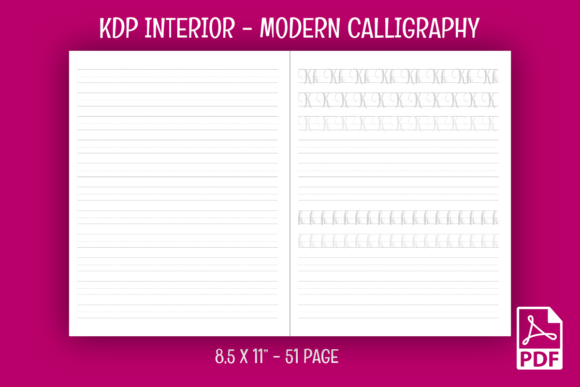
Consider a set of 26 pages of exercises, each dedicated to a letter. After completing such a system, you are equipped for a multitude of personal and even professional applications. You can design and write heartfelt greetings on cards for birthdays, weddings, or holidays. Your handwritten phrases can elevate simple gift wrapping into a curated presentation. You can personalize journals, create unique wall art, or design social media graphics. The skill moves from being a practice to being a practical asset in your lifestyle or creative workflow.
This is where modern calligraphy truly fits into contemporary life. It’s a tactile, personal counterpoint to digital communication. It adds a layer of intentional care and artistry to objects and messages that are often mass-produced or fleeting.
Key Considerations Before You Begin
Embarking on learning modern calligraphy is straightforward, but a few thoughtful considerations will smooth your path.
- Quality of Practice Materials: The design and progression of your practice sheets matter. Look for resources that offer clear stroke breakdowns, directional arrows, and ample space for repetition. A well-structured KDP-ready PDF, for instance, is designed for clarity and ease of use, often with a logical flow from basic strokes to full letters and then simple words.
- The Importance of Consistency: Short, regular practice sessions are far more effective than occasional long ones. Even 15 minutes a day dedicated to alphabet worksheets will yield noticeable progress, building muscle memory steadily.
- Tool Flexibility: Remember that modern calligraphy, especially starting with faux techniques, doesn’t require expensive tools. Begin with what you have. The focus is on the form, not the instrument. As your skill solidifies, you can then explore specialized pens and inks if you wish.
- Patience with Personal Style: While you learn a standard modern calligraphy alphabet, your hand will naturally introduce subtle variations. This is good! It’s the beginning of your unique style. Don’t fight it; allow your practice to be both disciplined and exploratory.
Integrating Your New Skill into Daily Creativity
Once the alphabet is internalized, modern calligraphy ceases to be a separate “activity” and becomes a natural part of your creative toolkit. You might sketch out a lettered quote while planning a blog post. You could quickly hand-letter a label for homemade preserves. The ability becomes a solution for adding personal touch.
For those exploring entrepreneurial paths, this skill can directly translate into product offerings—custom cards, illustrated quotes, or personalized stationery. The 26 pages of exercises leading to a complete alphabet are, in essence, training for a visual language you can now “speak” fluently in various contexts.
The journey from structured practice on worksheets to freeform creation on gifts and cards is a linear one. Each letter mastered is a step forward. Each connected word successfully lettered is a milestone. Modern calligraphy, rooted in its alphabet, offers a satisfying blend of structured learning and open-ended artistic expression. It proves that beautiful writing is not a relic of the past, but a vibrant, usable art form for today.