Master Hebrew Handwriting with a Comprehensive Tracing Workbook
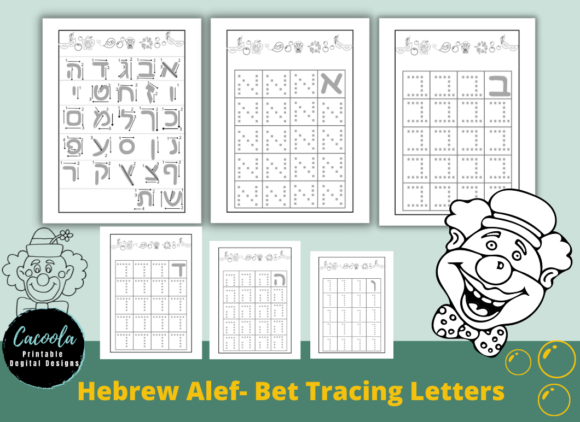
Learning a new language often begins with its alphabet, and for Hebrew, mastering the distinctive script of the Alef-Bet is the essential first step. The Alef Bet Hebrew Letter Tracing Workbook provides a structured, hands-on approach to this foundational skill. Designed as a printable PDF, this resource offers 29 pages of focused practice, guiding you from the basic form of each letter to the nuances of the final letters used at the end of words. While initially framed as a tool for children, its clear layout and systematic progression make it equally valuable for adult learners, educators, or anyone embarking on their Hebrew journey.
A Practical Path to Building a Core Language Skill
The value of handwriting practice in language acquisition is often underestimated. For Hebrew, with its non-Latin characters, developing muscle memory for the letter shapes is crucial for reading fluency and future writing. This workbook transforms abstract symbols into tangible practice. Each page is dedicated to a single letter, allowing for concentrated repetition. The inclusion of the final letters, or sofit forms, is a particularly thoughtful detail, as these variations are a common stumbling block for beginners. By integrating them from the start, the workbook builds a complete and accurate understanding of the alphabet.
Beyond mere repetition, the workbook includes writing direction guides. This addresses a key practical challenge: knowing where to start each stroke and in which order to form the character. For self-learners or parents teaching children, this removes ambiguity and provides a correct, consistent method. The result is a more efficient learning process, saving time and reducing frustration by establishing good habits from the very first attempt.
Beyond Learning: A Tool for Creators and Educators
The Alef Bet Hebrew Letter Tracing Workbook also serves a secondary, creative audience. As a digital PDF file sized perfectly at 8.5 x 11 inches, it is primed for distribution on platforms like Etsy or Amazon KDP. Its clean, functional design is an excellent starting point. However, for sellers looking to differentiate their product in a crowded marketplace, the inherent design offers a canvas for customization.
Making a Generic Workbook Your Unique Product
If you are considering uploading this or similar files for sale, slight modifications are critical for establishing your own brand and avoiding issues with generic content. The workbook’s structure—a front page, a directions page, and 27 letter pages—is its strength, but the visual presentation can be personalized.
- Add a Distinctive Frame or Border: Replacing the plain edges of each practice page with a decorative frame can instantly elevate the aesthetic. Consider motifs that resonate with Hebrew learning or Judaic art.
- Introduce Graphic Elements: The Purim symbols mentioned are a great start. Expanding this by adding small, relevant icons for each letter—like an olive for Alef (associated with et)—can make the pages more engaging for children and visually interesting.
- Redesign the Opening Page: The cover page is your first impression. Creating a unique title page with custom typography, your logo, or an appealing illustration defines your product and attracts buyers browsing online marketplaces.
These changes do not alter the core educational value but they transform the workbook from a standard template into a unique digital product. This is a practical strategy for freelancers, graphic designers, or educators building a side business, allowing them to offer a helpful tool while showcasing their own design skills.
Who Benefits Most from This Hebrew Tracing Approach?
The workbook’s design caters to a surprisingly wide range of users. Adult learners, especially those who prefer a physical, write-and-repeat method over purely digital apps, will find the PDF format convenient for printing and using anywhere. Homeschooling parents or Sunday school teachers need reliable, ready-to-use materials, and this provides a complete alphabet curriculum in one file.
For professionals in the language education space, such as tutors or course creators, this workbook can be an effective supplementary material bundled with larger offerings. Its straightforward nature means it requires no special instructions to use, reducing support time and increasing client satisfaction. Even hobbyists interested in calligraphy or the artistic aspects of Hebrew script can use the clear letterforms as a basis for more elaborate projects.
Considering the Workbook's Scope and Fit
It is important to recognize what this workbook is and is not. It is a dedicated tool for handwriting mastery of the Hebrew alphabet, including final letters. It is not a comprehensive language course—it won’t teach vocabulary, grammar, or pronunciation. Its strength is in solving a very specific problem: forming the letters correctly. Therefore, it should ideally be used alongside other resources that build vocabulary and conversational skills. For someone seeking only to recognize letters for reading, the tracing practice might be less critical. However, for anyone aiming for full literacy and the ability to write in Hebrew, this focused practice is an invaluable step.
The Outcome: Confidence and Foundation
The ultimate benefit of working with the Alef Bet Hebrew Letter Tracing Workbook is the development of confidence. The intimidating prospect of learning a new script is broken down into manageable, daily tasks. Completing the 27 letter pages provides a tangible record of progress. For children, it creates a sense of accomplishment; for adults, it reinforces the disciplined approach needed for language learning. This confidence directly supports the broader goal of learning Hebrew, whether for religious, cultural, travel, or personal reasons.
In a digital age, the tactile experience of writing on paper can also improve retention and create a more mindful learning session. The standard size makes it easy to integrate into a binder or portfolio, creating a personal reference manual for the Hebrew alphabet that you have actively built. Whether you are a learner using it to pave your way into a new language, or a creator adapting it to build a unique digital product, this workbook turns the foundational challenge of the Alef-Bet into a clear, achievable, and practical process.