The Nurse Report Sheet: A Foundation for Safety and a Gateway for Creators
In the high-stakes, fast-paced environment of modern healthcare, clarity and accuracy are not just virtues; they are absolute necessities. At the heart of this critical communication is the Nurse Report Sheet. This document is far more than a simple notepad. It is a structured, systematic tool used by nurses to record essential patient information during shift changes, ensuring continuity of care and safeguarding patient safety. Every vital sign, medication update, treatment plan, and specific patient need is meticulously transferred from one caregiver to the next on this sheet, creating a seamless chain of accountability.
From Clinical Necessity to Creative Opportunity
The fundamental importance of the nurse report sheet in clinical settings is undeniable. However, its design and format have evolved beyond the hospital floor, intersecting with a significant contemporary trend: the rise of the creator economy and low-content publishing. The specialized, organized layout of a nursing report sheet is perfectly suited for replication in a physical notebook format. This creates a unique product niche—a Nursing Report Sheets Notebook.
This evolution speaks directly to changing habits in business and creative practices. Professionals, from nurses themselves to nursing students, often seek better tools to organize their thoughts, practice documentation, or manage personal health tracking. Meanwhile, a vast audience of entrepreneurs and creators is exploring accessible business models. The demand for practical, themed notebooks that serve both functional and aspirational purposes is growing. A professionally designed interior based on a nurse report sheet meets this demand by offering authenticity and utility.
Understanding the Modern Low-Content Business Landscape
The concept of "low-content" publishing on platforms like Amazon's Kindle Direct Publishing (KDP) has transformed how individuals approach entrepreneurship. It allows creators to produce journals, planners, and notebooks without writing extensive text, focusing instead on design, formatting, and niche targeting. Success in this space hinges on identifying specific audience needs and delivering a product that feels both professional and purpose-built.
A Nursing Report Sheets Notebook This Journal KDP Interior is a prime example of a product tailored for this market. It is not a generic notebook; it is a ready-to-use template modeled on a real-world professional tool. This specificity increases its perceived value. For the end-user, it might be a practical gift for a healthcare worker or a study aid. For the KDP publisher, it represents a complete, market-ready asset that bypasses the complex stages of design and technical setup.
The Practical Implications for Creators and Publishers
For the business owner or freelancer looking to establish a stream of passive income or expand their product line, a ready-made interior package is a significant advantage. Consider the practical steps involved in creating a printable journal: designing each page layout, ensuring technical specifications for printing, and managing various file formats. This process can be a barrier for many.
This is where a fully prepared package becomes invaluable. A package that is 100 formatted and tested for KDP, ready to upload eliminates these hurdles. It translates a creative idea into a tangible product with remarkable efficiency. The publisher can focus on marketing, branding, and audience engagement rather than the intricacies of file preparation and KDP compliance.
What Makes a Ready-to-Upload Package Essential
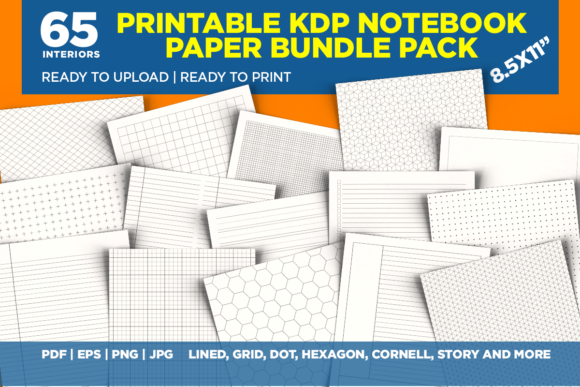
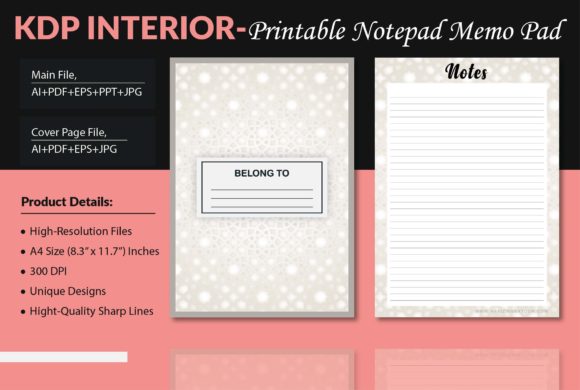
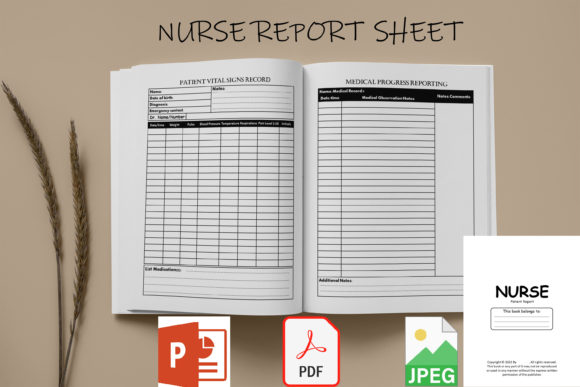
The technical details of a print product are non-negotiable for quality and platform acceptance. A comprehensive package details these specifications clearly, providing creators with confidence. For instance, a package comprising 120 pages offers substantial value, giving the finished notebook ample room for use. The standard size of 8.5 x 11 inches is familiar and functional.
Critical quality metrics like 300 DPI ensure sharp, clear printing, while the inclusion of with bleed guarantees that designs intended to reach the edge of the page will print correctly without unwanted borders. The provision of multiple file formats—PDF file, PPTX file, JPG files—addresses different needs: the PDF is typically the upload file for KDP, the PPTX allows for easy customization, and the JPGs offer individual page images for previews or alternative uses.
This multi-format approach caters to modern workflows where flexibility is key. A blogger might use a JPG to showcase the interior in a promotional post. An educator using the PPTX file could adapt a page for a classroom activity on healthcare documentation. The underlying principle is that a well-prepared product empowers the user, whether they are a publisher uploading to KDP or a professional using the notebook directly.
Aligning with User Expectations and Market Preferences
Today's consumers, including professionals and hobbyists, expect products that are not only useful but also polished and convenient. The expectation for digital products, especially those meant for physical print, is that they will be technically flawless. A claim that a product is ready for printing and ready to upload meets a core user need: simplicity and reliability.
Furthermore, the trend towards niche-specific products over generic ones continues to grow. A nurse report sheet notebook taps into a clearly defined niche—healthcare, professionalism, organization, and education. This focused approach is more likely to resonate with a targeted audience searching for these very attributes than a broad-based journal. It fits into lifestyle shifts where people are curating tools that reflect their personal or professional identities.
Realistic Applications and Recommendations
How might such a product be used in practice? Beyond the obvious application as a sellable notebook on KDP, consider these realistic scenarios:
- A nursing instructor purchases the interior to create custom notebooks for students to practice clinical documentation.
- A freelance graphic designer uses the PPTX files to quickly customize and brand the interior for a client who owns a medical supply store.
- A nurse who also runs a blog about healthcare efficiency buys the notebook for personal use, later sharing her positive experience with her online community, thus driving organic interest to the KDP listing.
For someone entering the low-content business space, a recommendation is to start with a professionally prepared interior like this. It reduces initial risk and learning curve. The key next step is to conduct thoughtful market research: understand who the potential buyers are (not just nurses, but perhaps their friends, family, or students) and tailor the cover design and marketing copy to speak directly to that group. Avoid the trap of assuming the product will sell itself; its readiness is a powerful feature, but it must be paired with strategic audience outreach.
The story of the nurse report sheet is a compelling one. It begins as an indispensable tool for patient safety in a demanding profession. Its structured format, born from necessity, now provides a perfect blueprint for a new wave of creators and entrepreneurs. By packaging this blueprint into a tested, ready-to-use format, it bridges the gap between a profound professional need and a dynamic, accessible business opportunity. This synergy between a timeless clinical instrument and modern creative commerce is where genuine value is built—for the publisher, the end-user, and ultimately, for the standards of care and organization the original sheet was designed to uphold.