How to Draw Flags: An Educational Coloring Activity Book
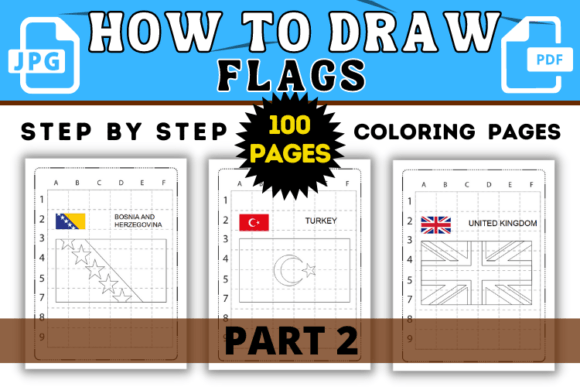
Learning to draw can be an enriching activity, combining artistic expression with educational value. For those interested in geography, symbols, or structured artistic practice, a dedicated resource can provide significant guidance. How to Draw Flags is a themed activity book designed specifically for this purpose. It functions as a dual-purpose tool, offering both pre-illustrated flags for coloring and a systematic grid-based method for learning to draw flags independently. This book is formatted as a 102-page, 8.5 x 11 inch interior, suitable for use as a standalone activity book or as a Kindle Direct Publishing (KDP) interior template. Its content is presented in high-quality PDF and JPG formats.
Understanding the Structure and Purpose of the Book
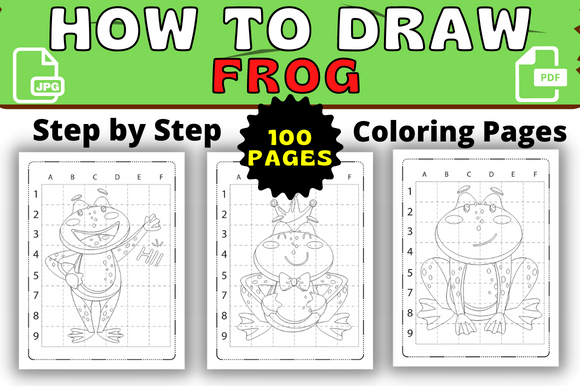
The core of How to Draw Flags is its hybrid approach to artistic skill development. The book contains a collection of flag illustrations ready for coloring, catering to users who enjoy this relaxing and creative activity. More distinctively, it incorporates a drawing guide system. For each flag, the book provides a grid overlay on the completed illustration. This grid breaks down the complex shapes and patterns of a flag into manageable squares, simplifying the process of replication. Accompanying this guide is blank grid space, allowing the user to practice drawing their own version of the flag step-by-step. This method is a classic artistic technique for improving accuracy and proportion.
The book is not a comprehensive course in illustration but a focused, practical workbook. It assumes basic drawing tools—pencils, pens, or coloring materials—and provides the structured framework for practice. The 102-page length offers a substantial number of flags to study, and the large page size gives ample room for detailed work. The content is designed to be accessible, stating it is perfect for all skill levels, from children exploring art and world cultures to adults seeking a methodical hobby or educational aid.
Key Benefits and Potential Applications
For potential users evaluating How to Draw Flags, several clear benefits stand out. The primary advantage is the integration of guided learning with free creative expression. The grid system demystifies the drawing process, making intricate national symbols approachable. This can build confidence in aspiring artists and reduce the frustration that often accompanies drawing complex emblems. Secondly, the activity serves an educational purpose. Engaging with flags from various countries can naturally spark interest in geography, history, and political symbolism, making it a useful supplement for homeschool curricula or personal enrichment.
The book's physical specifications also offer practical benefits. The 8.5 x 11 inch format is a standard and convenient size, easy to handle and compatible with common binders or portfolios. The high-quality file formats ensure that illustrations remain clear when printed, which is crucial for the grid details. As a KDP interior template, it provides a ready-made layout for self-publishers looking to create a niche activity book without designing each page from scratch.
Situations Where This Book is a Strong Fit
- Parents or Educators Seeking Combined Activities: For those looking for a resource that blends art practice with cultural learning, How to Draw Flags is a direct solution. It can serve as a quiet classroom activity, a homeschool project, or a family learning tool.
- Aspiring Artists Wanting Structured Practice: Individuals interested in improving their technical drawing skills, particularly in replication and symmetry, may find the grid method invaluable. It provides repetitive, focused practice without requiring prior advanced knowledge.
- Self-Publishers in the Niche Activity Book Market: For authors using KDP, a pre-designed interior saves considerable time. This book template is tailored to a specific, popular topic—flags—which has appeal in educational and artistic circles.
- Individuals Seeking a Relaxing, Focused Hobby: The combination of coloring and methodical drawing can be a form of mindfulness or stress relief for adults, offering a clear task with a satisfying outcome.
Important Considerations and Tradeoffs
While How to Draw Flags has defined strengths, users should consider its scope and limitations to ensure it aligns with their expectations. The book is explicitly about drawing and coloring flags. It does not teach broader drawing fundamentals like shading, perspective, or figure drawing. Its educational value on flags is implicit—it provides the symbols but does not include explanatory text about their history or meaning. Users seeking a deeper contextual education would need to pair the book with external resources.
The claim of being perfect for all skill levels is generally true for the coloring aspect and the guided grid drawing. However, the blank grid space for drawing one's own version requires a minimal level of patience and willingness to follow a system. Very young children may need assistance understanding the grid concept. The book is also a static collection; it does not offer progressive difficulty levels or personalized feedback. Improvement comes from personal repetition and observation.
A practical tradeoff involves the digital format. While the PDF and JPG files are high-quality, the user must arrange for printing if a physical copy is desired. This adds a step and cost. Furthermore, as a KDP interior, it is a fixed design. Self-publishers cannot easily modify the grid structure or page layout without graphic design work.
Evaluating Alternatives and Making a Decision
Determining whether How to Draw Flags is the right choice involves comparing it to alternative approaches. For someone whose primary goal is to learn flag design and symbolism in depth, a comprehensive book or online course on vexillology (the study of flags) might be a better starting point. These resources would explain design principles, history, and meaning, whereas this activity book focuses on replication.
If the goal is general drawing improvement without a specific focus on flags, a broader beginner drawing workbook or online tutorial series would cover a wider range of techniques and subjects. Similarly, for those solely interested in coloring as relaxation, a more diverse or themed coloring book (e.g., nature, patterns) might offer greater variety.
For the self-publisher, alternatives include designing a custom KDP interior from scratch, which offers total creative control but demands significant time and skill, or purchasing a more generic activity book template that could be adapted.
Practical Decision-Making Insights
To decide, clarify your primary objective. Is it to:
- Combine art practice with a specific, symbolic subject matter? How to Draw Flags aligns directly.
- Find a ready-to-use, educational activity for a group? The book's structure and length are strong points.
- Obtain a professional template for publishing? The suitability depends on your commitment to the flag theme.
Consider your willingness to engage with the grid method. It is a disciplined approach that rewards patience. If you prefer freeform drawing or more interpretive art, this structured system may feel restrictive. Also, assess your need for supplementary information. If using this for education, plan to have reference materials about countries and histories available.
Ultimately, How to Draw Flags serves a specific niche exceptionally well. It is a practical, high-quality resource for structured drawing practice of a particular subject, for coloring enthusiasts, and for publishers in that niche. By understanding its focused design, benefits, and inherent tradeoffs, you can determine if its unique hybrid approach to learning and creativity meets your specific goals as an artist, educator, learner, or publisher.